
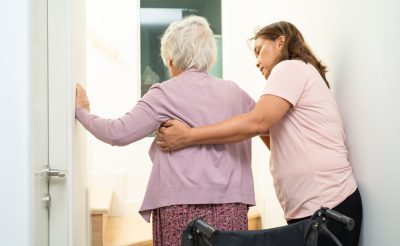
Most families believe that getting a loved one home is the finish line. In reality, it is often where the greatest risks begin. Falls are the leading cause of injuries for adults 65 and older. Between 30% and 40% of older adults fall every year, and each year 3 million seniors visit the emergency room because of fall-related injuries. These aren’t accidents that happen in unfamiliar places they happen in kitchens, bathrooms, and bedrooms. They happen on the way to the front door and at the edge of the bed in the middle of the night. Home, for all its comfort, is where the hazards are most familiar and therefore most overlooked. A non-medical home care aide can help address this directly assisting with mobility, identifying and removing tripping hazards, and providing the steady physical support that makes getting through the day safely possible.
Medication errors are another silent threat. Older adults managing multiple prescriptions are at significant risk and certain medications affect balance, blood pressure, and cognition in ways that make everyday movement dangerous. Without someone present who knows the schedule and can offer reminders, problems that are entirely preventable can escalate quickly and quietly. Personal care aides provide exactly that kind of day-to-day oversight, offering medication reminders that keep routines on track and catching early warning signs before they become emergencies.
Then there is isolation. Many older adults living alone go for hours or days without meaningful human contact. Loneliness is not just emotional concern research consistently links it to accelerated cognitive decline, depression, and a weakened immune response. Companionship is one of the most undervalued services a home care aide provides. Their regular presence offers not just social connection, but an attentive set of eyes that notices when something seems off a change in mood, appetite, or mobility that a family member checking in by phone simply cannot detect.
That brings us to the family caregiver. Nearly 70% of family caregivers report struggling to balance their careers with caregiving responsibilities, and the physical and emotional toll of being someone’s sole source of support is significant. Non-medical home care doesn’t replace the family it supports them. It fills the hours when family members can’t be present, provides consistency that reduces anxiety, and gives caregivers permission to step back without stepping away entirely.
Safe aging at home is not passive it is an active, ongoing effort that works best when professional support and family care work together. The families who build that partnership tend to keep their loved ones safer, and themselves healthier, in the long run.
Written by: Qaadir Tunnell


